
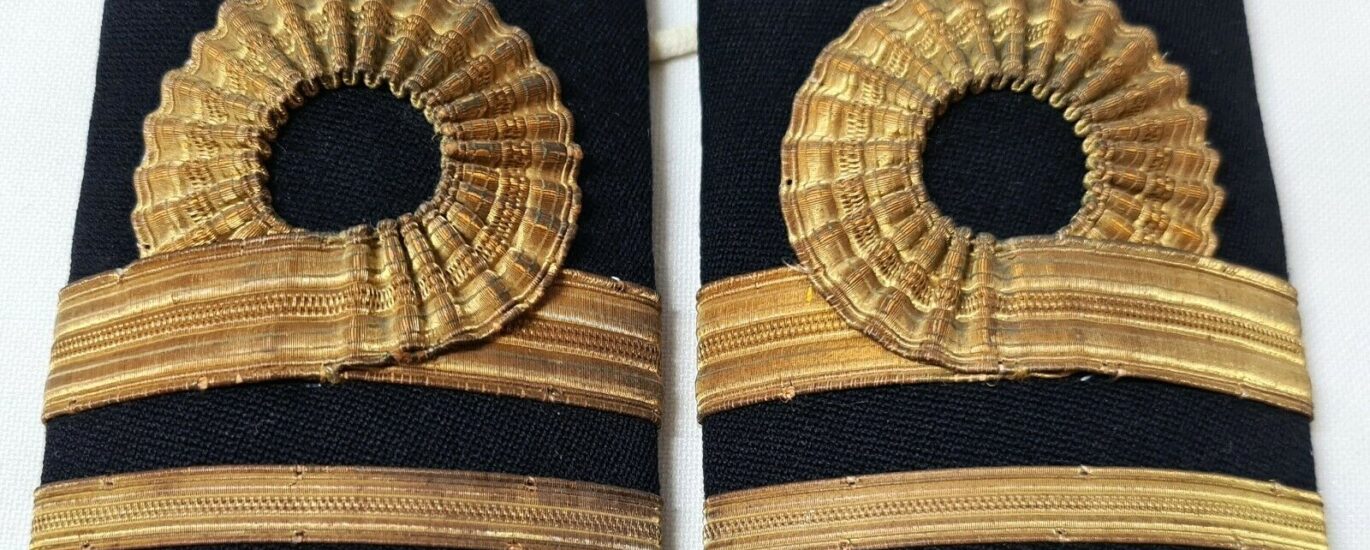
In Australian workplaces where uniforms matter, shoulder boards reduce confusion, especially during joint operations, ceremonies, inspections, and public facing duties.
What are shoulder boards in an Australian uniform context?
Shoulder boards are removable or fixed rank panels worn on the shoulder area of a uniform, typically on epaulettes. In Australia, they are commonly seen in services and organisations where rank, appointment, or seniority needs to be obvious at a glance.
They are often paired with other identifiers like nameplates, unit patches, and service-specific badges, but custom shoulder boards remain one of the fastest ways to interpret rank.
What do shoulder boards usually communicate at first glance?
They usually communicate who is junior, who is senior, and who is in command. With shoulder boards, the viewer can often infer how decisions flow, who can issue directions, and who should be approached for approvals.
In mixed settings, shoulder boards also help differentiate experience levels, which can matter in safety critical or time sensitive situations.
Which uniformed services in Australia commonly use shoulder boards?
Shoulder boards appear across several Australian uniformed environments, including the Australian Defence Force in certain dress configurations, state and territory police services in selected uniform types, corrective services, and various ceremonial or protocol roles.
They are also used in some private or semi government settings such as security, aviation related uniforming, and some maritime organisations, where clear hierarchy supports operations.
How do symbols on shoulder boards indicate rank?
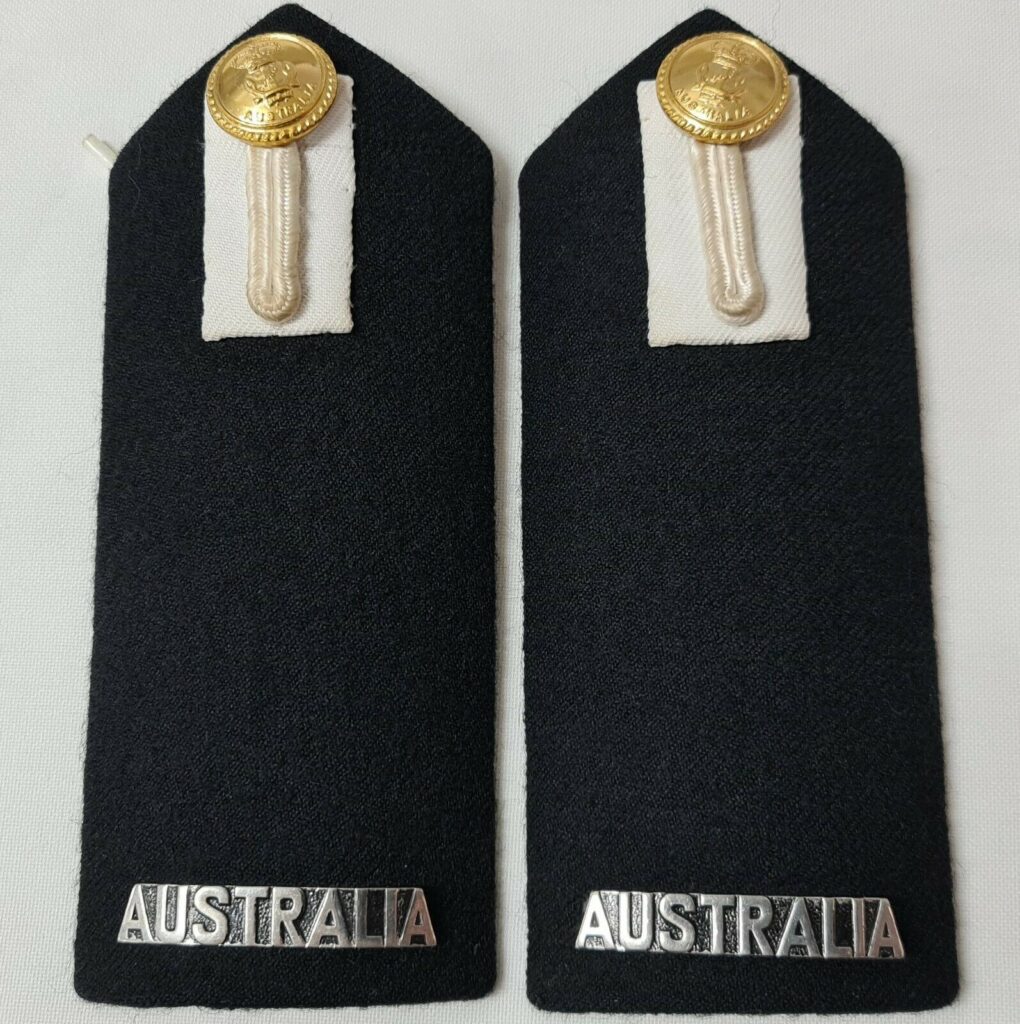
Most rank systems use repeated symbols that increase in number or prominence as rank progresses. Military shoulder insignia may feature bars, pips, crowns, stars, chevrons, or service-specific devices, with each element arranged in a consistent pattern to make rank recognition clear.
Because shoulder boards are meant to be read quickly, designs tend to avoid clutter. The spacing, count, and prominence of symbols is usually more important than decorative detail.
How do colour and background on shoulder boards change the meaning?
Colour can signal service branch, corps, appointment type, or a specific uniform order. On shoulder boards, the background fabric, edging, and piping can indicate whether someone is in a general duties stream, a specialist stream, or a ceremonial role.
In Australia, the same rank insignia can appear on different coloured boards depending on the uniform and the organisation, so colour is often a supporting clue rather than the sole indicator.
How do shoulder boards differ from sleeve insignia and chest rank?
Shoulder boards sit high and are visible from multiple angles, which makes them ideal in crowds, formations, and meetings. Sleeve insignia can be less visible under outerwear, and chest mounted rank can be obscured by equipment, body worn gear, or high visibility vests.
That is why shoulder boards remain popular in Australian administrative uniforms, ceremonial uniforms, and settings where quick recognition matters.
Why do shoulder boards matter during ceremonies and formal events?
Formal events rely on correct precedence, greetings, and positioning, making clear rank identification particularly important. Ceremonial uniform accessories such as shoulder boards can help establish the appropriate order during Australian parades, commemorations, official visits, award presentations, and other formal occasions.
They also reduce the risk of social errors, such as addressing someone at the wrong level of seniority, especially when attendees come from different services.
What can shoulder boards suggest about authority and responsibility?
They can suggest who holds operational authority, who supervises teams, and who carries decision making responsibilities. In many Australian organisations, rank correlates with powers such as authorising actions, directing personnel, and managing incidents.
Still, rank and role are not always identical. Shoulder boards show rank, but the person’s actual appointment, duty position, or delegation may change what they can approve on the day.
Do shoulder boards always reflect someone’s exact job?
No. Shoulder boards primarily show rank or appointment level, not the full scope of their trade, qualification, or posting. In Australian services, two people with the same rank can have very different responsibilities depending on unit, role, and location.
That is why shoulder boards are often read alongside other cues like lanyards, specialist badges, shoulder patches, or radio call signs.
How can people read shoulder boards without making mistakes?
They can start by identifying the organisation first, then learning that organisation’s rank progression. Shoulder boards often follow familiar patterns, but Australia has multiple systems, and small design differences can matter.
When unsure, it is safer to use neutral professional etiquette. In Australian settings, respectful language and standard greetings usually work even if rank is not fully understood.
What role do shoulder boards play in joint operations and multi agency settings?
They provide a shared visual language in environments where multiple organisations work together, such as disaster response, planned events, and security operations. In Australia, joint activity can involve state emergency services, police, defence elements, and contracted teams.
In these settings, shoulder boards speed up introductions and reduce friction, especially when time is limited and the chain of command must be understood quickly.
How do shoulder boards help the public interpret uniforms?
They help members of the public understand who is in charge, who might be able to help, and who may be supervising a situation. In Australian public facing roles, shoulder boards can increase confidence because people can see a clear structure.
They also support accountability. When rank is visible, behaviour is more traceable to leadership presence, which can influence professionalism in public view.
What should people know about shoulder boards in Australian Defence settings?
In Australian Defence contexts, rank may appear on shoulders, sleeves, or chest depending on uniform type and service. Shoulder boards are most commonly associated with certain dress uniforms and service dress styles where clarity and tradition are both important.
Even when shoulder boards are not used, the same principle applies: insignia is designed to be read quickly, and it exists to support discipline, hierarchy, and operational clarity.
How do shoulder boards connect to tradition and identity?
They reflect long standing uniform conventions that prioritise legibility and respect. In Australia, shoulder boards can also signal belonging, such as alignment with a particular service culture, ceremonial tradition, or professional stream.
They are not just functional. Shoulder boards carry symbolic weight because they represent achievement, training milestones, and the trust placed in someone to lead or support others.
What is the simplest way to explain what shoulder boards signal?
They signal rank in a way that is visible, consistent, and easy to interpret across a group. Shoulder boards show where someone sits in the hierarchy, which supports safer decisions, smoother teamwork, and correct etiquette in Australian uniformed environments.
In short, shoulder boards are a quick reference tool that helps everyone act with the right level of clarity and respect.
How can a reader remember the key idea about shoulder boards?
They can remember that shoulder boards are designed for instant recognition. They communicate rank first, while role and authority may need confirmation through context, appointment, or briefing.
If they keep that distinction in mind, shoulder boards become a reliable guide rather than an assumption about what someone does day to day.
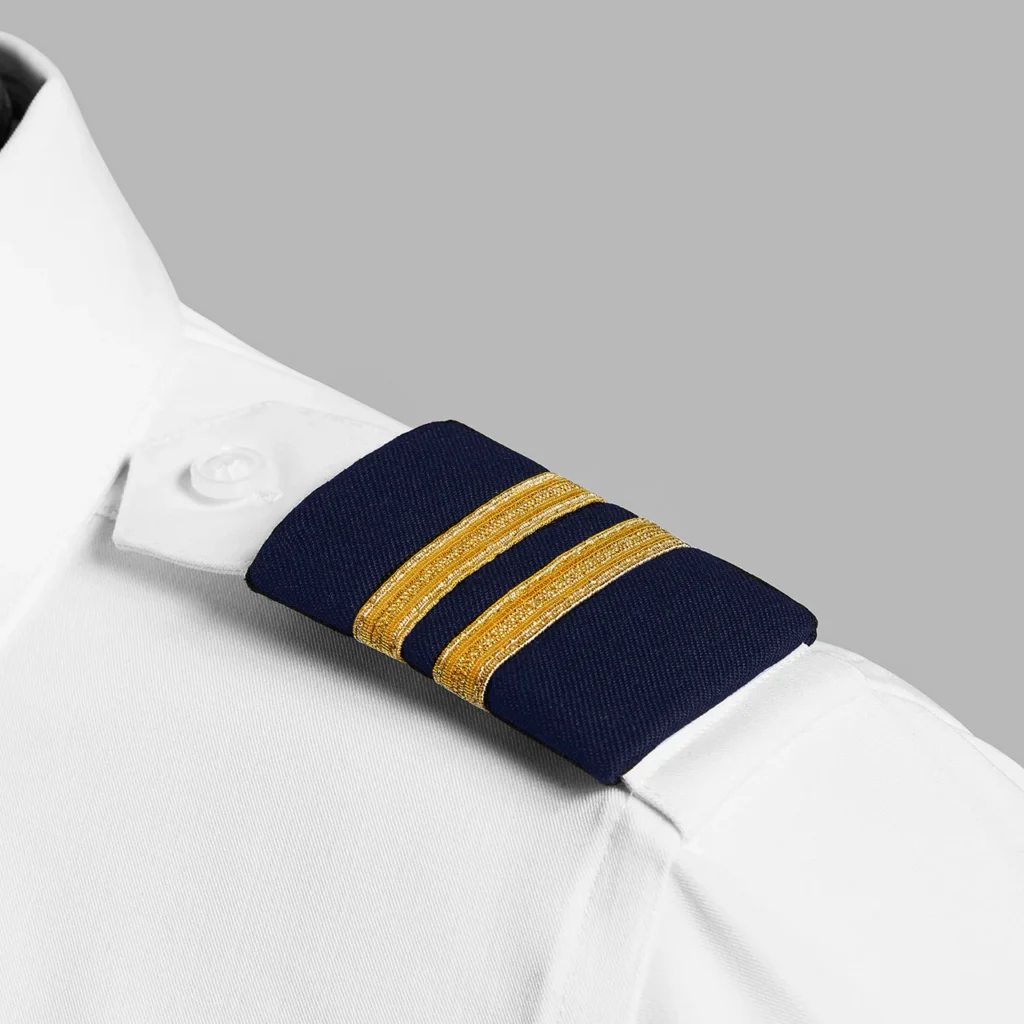
Shoulder decorations in military uniforms help identify rank and support quick recognition in both field and formal settings. They can also assist coordination in multi-agency environments across Australia, particularly when personnel from different services or organisations work together. While shoulder boards are most effective when read alongside other uniform cues, they remain a practical and traditional way to communicate hierarchy clearly.
FAQs (Frequently Asked Questions)
What are shoulder boards in the context of Australian uniforms?
Shoulder boards are removable or fixed rank panels worn on the shoulder area of a uniform, typically on epaulettes. In Australia, they are commonly used in services and organisations where rank, appointment, or seniority needs to be quickly identifiable at a glance.
How do shoulder boards communicate rank and authority in Australian uniformed services?
Shoulder boards use simple visual cues such as bars, pips, crowns, colours, and specific board styles to indicate rank, role, and seniority. They help viewers infer who is junior or senior, who commands, and how decisions flow, which is crucial for appropriate formality and authority recognition.
Which Australian uniformed services commonly use shoulder boards?
Shoulder boards are used across several Australian uniformed environments including the Australian Defence Force (in certain dress configurations), state and territory police services (in selected uniforms), corrective services, ceremonial roles, as well as some private or semi-government sectors like security, aviation uniforms, and maritime organisations.
How do colours and symbols on shoulder boards indicate different meanings?
Colours on shoulder boards can signify service branch, corps affiliation, appointment type, or specific uniform orders. Symbols such as bars, pips, crowns, stars, and chevrons arranged in consistent progressions denote rank levels. The background fabric colour and edging also help differentiate general duties from specialist or ceremonial roles.
Why are shoulder boards important during ceremonies and joint operations in Australia?
During ceremonies and formal events like parades or official visits, shoulder boards ensure correct precedence and positioning by clearly displaying rank. In joint operations involving multiple agencies or services, they provide a shared visual language that speeds up introductions and clarifies command structures to reduce confusion.
Do shoulder boards always reflect an individual’s exact job responsibilities?
No. Shoulder boards primarily indicate rank or appointment level rather than the full scope of an individual’s trade, qualifications, or posting. Two people with the same rank might have different responsibilities depending on their unit or role; therefore shoulder boards are often interpreted alongside other identifiers like badges or call signs.