

This is a short history of shoulder decorations in military uniforms, told through the practical reasons armies kept returning to the shoulder as prime real estate.
What counts as a “shoulder decoration” in military uniforms?
They are any devices worn on or around the shoulder to signal information at a glance. In Australia, that has included epaulettes, shoulder straps, shoulder boards, unit titles, formation signs, rank slides, and modern patches used for identification and security.
In a short history of shoulder decorations in military uniforms, the shoulder matters because it is easy to see when people are standing, marching, or working in teams.
Why did early armies use the shoulder for identification?
They used the shoulder because it sits high, faces outward, and stays visible when equipment is worn. In the era of muskets and massed formations, quick recognition helped officers control movement and reduced confusion in dust, smoke, and noise.
Australia inherited much of this logic through British practice, which shaped a short history of shoulder decorations in military uniforms across colonial forces and later national services.
How did epaulettes become a symbol of rank and status?
Epaulettes developed as prominent shoulder ornaments that could display hierarchy and authority. While some early forms had practical origins, they increasingly became formal markers, especially in dress uniforms, where visibility and ceremony mattered.
In Australian contexts, epaulettes appeared most clearly in parade and formal settings, supporting the prestige side of a short history of shoulder decorations in military uniforms.
What did colonial Australian forces wear on their shoulders?
Before Federation, colonial units largely followed British patterns, including shoulder straps and ornamental features on dress uniforms. Local variations existed, but the overall system leaned on British visual language so visiting officers and allied units could interpret rank and branch quickly.
Those colonial foundations set expectations that carried into a short history of shoulder decorations in military uniforms after the Commonwealth formed.
How did Federation shape Australian shoulder insignia?
Federation pushed Australia toward more standardisation across states and units. While British influence remained strong, national identity grew, and shoulder items became one way to express it through unit titles, badges, and later uniquely Australian formation identifiers.
This period matters in a short history of shoulder decorations in military uniforms because it marks a shift from colonial imitation to national system-building.
How did World War I change shoulder decorations for Australian soldiers?
World War I increased the need for fast recognition across huge volunteer forces. Australian units used a mix of practical shoulder straps, rank indicators, and especially the development of colour patches that helped identify divisions and units.
In Australia’s case, these identifiers became deeply associated with service heritage, making World War I a key chapter in a short history of shoulder decorations in military uniforms.
Why did Australian colour patches and formation signs become so important?
They gave a simple visual shorthand for unit identity, even when uniforms were dusty, worn, or modified in the field. They also helped build esprit de corps, since troops could recognise “theirs” quickly, reinforcing belonging during long deployments.
That emotional and practical mix is a defining theme in a short history of shoulder decorations in military uniforms in Australia.
How did World War II push shoulder decorations toward practicality?
World War II accelerated functional uniform design, especially for field conditions in North Africa, the Pacific, and training areas across Australia. Shoulder ornaments that snagged or added weight were often reduced, while patches, printed titles, and rank systems became more streamlined.
For many units, the shoulder became a practical location for clear identification rather than decorative detail. Military shoulder insignia helped communicate unit affiliation, rank, or role at a glance, contributing to the evolution of shoulder decorations in military uniforms.
What changed when Australia moved into the post-war and Cold War era?
They shifted toward standard issue uniforms that balanced tradition with cost, durability, and new operational needs. Shoulder boards and straps remained for certain uniforms, while insignia systems aimed to be consistent across services and postings.
In barracks, parades, and ceremonial duties, tradition still mattered, which kept formal shoulder features alive within a short history of shoulder decorations in military uniforms.
How did the Navy, Army, and Air Force differ in shoulder traditions?
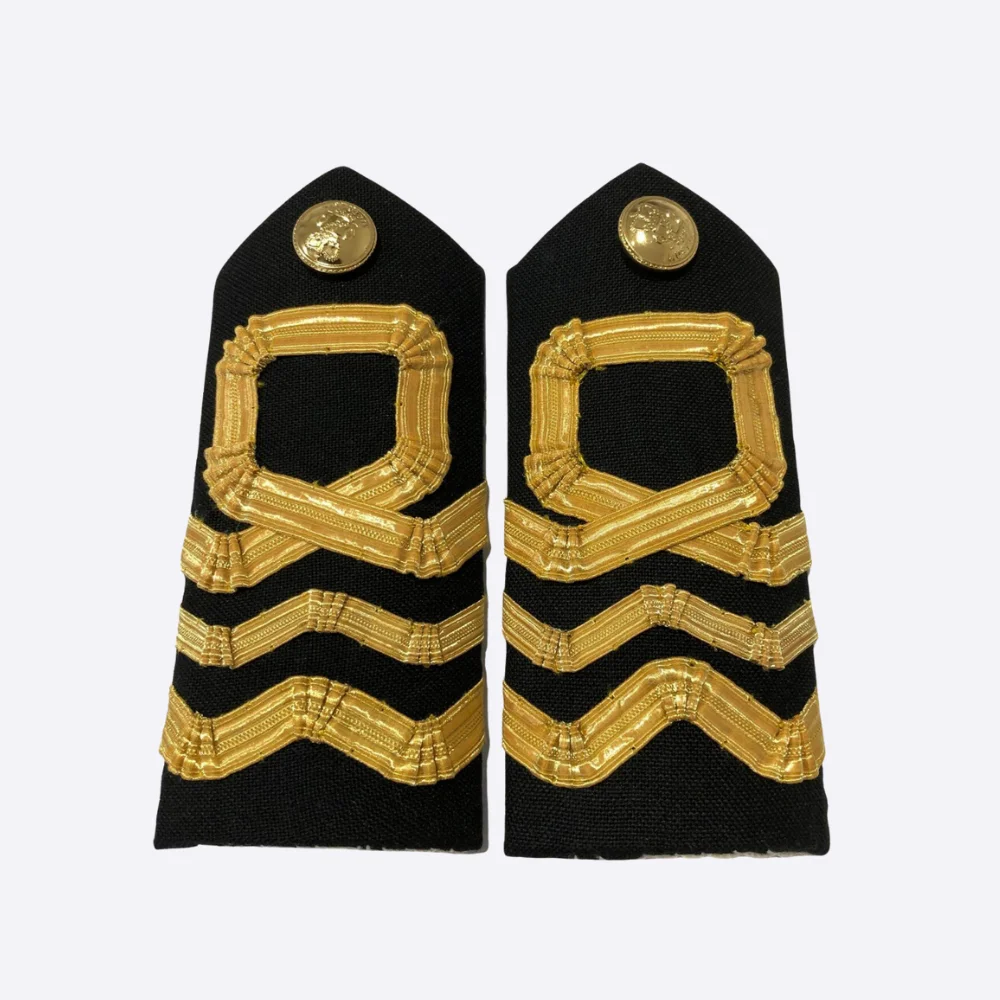
They diverged because their working environments demanded different solutions. The Royal Australian Navy often used shoulder boards and sleeve distinctions aligned with naval custom, while the Australian Army relied heavily on patches and unit identifiers, and the Royal Australian Air Force adopted rank and identification conventions suited to aircrew and base settings.
Those service differences add texture to a short history of shoulder decorations in military uniforms in an Australian setting.
Why did rank slides and removable insignia become popular?
They made washing, replacement, and uniform changes easier, especially when people moved between field and garrison dress. Removable systems reduced tailoring requirements and allowed faster updates if rank or posting changed.
This represents one of the most practical turning points in the development of shoulder decorations in military uniforms. Military uniform insignia reflects how modern logistics, identification needs, and operational practicality became just as important as long-standing military tradition.
How did peacekeeping and regional deployments influence shoulder identification?
They increased the need for clear national and formation identification, especially when working with partner forces. In multinational environments, readable “Australia” identifiers and distinct patches helped prevent confusion and improved accountability.
This focus on clarity is central to a short history of shoulder decorations in military uniforms during late 20th-century service.
What role did camouflage uniforms play in changing shoulder decorations?
Camouflage pushed shoulder elements to be subdued, low-reflective, and compatible with fieldcraft. Bright metals and elaborate fringes made less sense on operational dress, so many decorations shifted to embroidered or printed forms that blended in while remaining readable up close.
That tension between visibility and concealment sits at the heart of a short history of shoulder decorations in military uniforms today.
How did security and identification needs reshape modern patches?
They drove more controlled use of names, unit labels, and national identifiers, sometimes adapting placement or style depending on threat levels and operational guidance. Modern uniforms can support quick ID when needed, but also allow reduced signatures in higher-risk contexts.
This is a modern chapter of a short history of shoulder decorations in military uniforms, where the shoulder still signals identity, but on tighter rules.
Why do ceremonial uniforms still keep traditional shoulder features?
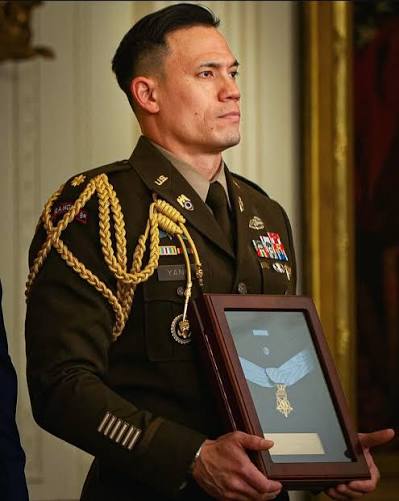
They keep them because ceremonial dress is about continuity, symbolism, and public representation. Epaulettes, cords, and formal shoulder boards create a visual link to service history, and they help communicate hierarchy and honour in a way the public instantly understands.
Ceremonial life ensures a short history of shoulder decorations in military uniforms does not become purely utilitarian.
How do Australian memorial culture and anniversaries affect shoulder insignia?
They encourage preservation and careful display of historical insignia in parades, commemorations, and museum collections. Events such as Anzac Day bring historic unit identifiers into public view, reinforcing their meaning beyond the base gate.
In that way, a short history of shoulder decorations in military uniforms is also a story about how Australians remember service.
What should readers look for when viewing Australian uniforms in museums?
They should look for how shoulders show both function and story. A simple patch can signal a division, theatre, or role; a strap can show rank system changes; and ceremonial pieces can reveal which traditions were valued at the time.
In exhibitions across Australia, the shoulder often provides the quickest clue to the era, which neatly sums up a short history of shoulder decorations in military uniforms.
What is the simplest takeaway from this history?
Shoulder decorations have remained relevant because they solve a practical and enduring problem: helping people recognise rank and role quickly while preserving established traditions. In Australia, shoulder boards and rank insignia have continued to communicate identity through colonial beginnings, world wars, regional deployments, and modern operational requirements.
That is why a short history of shoulder decorations in military uniforms is, in the end, a history of visibility, belonging, and adaptation.
FAQs (Frequently Asked Questions)
What are shoulder decorations in Australian military uniforms?
Shoulder decorations in Australian military uniforms include epaulettes, shoulder straps, shoulder boards, unit titles, formation signs, rank slides, and modern patches used for identification and security. They serve as visible devices worn on or around the shoulder to convey rank, role, and identity at a glance.
Why have armies historically chosen the shoulder for displaying identification?
Armies have used the shoulder for identification because it sits high on the body, faces outward, and remains visible even when soldiers wear equipment. This placement allowed quick recognition during massed formations and combat situations, helping officers control movement and reducing confusion amid dust, smoke, and noise.
How did epaulettes evolve into symbols of rank and status in Australian military history?
Epaulettes began as practical shoulder ornaments but evolved into formal markers of hierarchy and authority. In Australia, they became prominent in parade and formal dress uniforms, symbolizing prestige and supporting the ceremonial aspects of military tradition within the history of shoulder decorations.
What impact did Federation have on Australian military shoulder insignia?
Federation led to greater standardisation across Australian states and units. While British influence remained strong, national identity grew stronger through unique unit titles, badges, and formation identifiers on shoulders. This shift marked Australia’s transition from colonial imitation to a cohesive national system of military shoulder decorations.
How did World War I influence the development of shoulder decorations for Australian soldiers?
World War I heightened the need for rapid identification among vast volunteer forces. Australian units employed practical shoulder straps, clear rank indicators, and notably developed colour patches that identified divisions and units. These patches became deeply linked to service heritage and remain a key chapter in Australia’s military uniform history.
Why did removable rank slides become popular in modern Australian military uniforms?
Removable rank slides gained popularity because they simplified washing, replacement, and uniform changes—especially when personnel transitioned between field and garrison dress. This practical system reduced tailoring needs and enabled quick updates for changes in rank or posting, reflecting modern logistics alongside traditional symbolism in shoulder decorations.