Tree removal services in Sydney provide professional solutions for the safe and efficient removal of trees when they pose safety risks, obstruct construction projects, or negatively impact a property’s appearance.
These tree removal services are carried out by qualified arborists—trained specialists in all aspects of tree care. Arborists have the expertise to assess tree conditions, plan safe removal methods, and operate specialised equipment with precision. In addition, reputable tree removal services are fully insured, offering protection against potential accidents or property damage throughout the removal process.
Why Tree Removal is Important
- Safety: Trees that are damaged, diseased, or improperly located can pose a danger to people and property. Removing such trees reduces the risk of falling branches or uprooted trees causing harm.
- Property Development: When undertaking construction or renovation projects, it may be necessary to remove trees that obstruct the planned work. This ensures smooth progress and avoids delays.
- Aesthetics: Overgrown or unsightly trees can diminish the visual appeal of a property. By removing them, homeowners can enhance their landscape design and overall curb appeal.
The Expertise Required for Tree Removal
Tree removal is not as simple as it may seem. It requires specialized knowledge and skills that go beyond basic tree cutting techniques. Here’s what qualified arborists bring to the table:
- Tree Health Assessment: Arborists are trained to evaluate the health of a tree. This allows them to determine whether removal is necessary or if other treatments can be implemented.
- Structural Analysis: Understanding how a tree grows and its potential weaknesses is crucial for safe removal. Arborists use their expertise to identify any structural issues that could affect the dismantling process.
- Dismantling Planning: Each tree removal project is unique. Arborists develop detailed plans on how they will dismantle the tree while minimizing impact on surrounding structures or landscapes.
- Controlled Removal Techniques: Using advanced techniques such as rigging systems, arborists ensure that large branches or sections of the tree are lowered carefully instead of falling freely. This prevents damage to nearby properties or plants.
Compliance with Local Regulations
In Sydney, there are regulations in place regarding tree removal to protect the environment and maintain community aesthetics. These regulations often require property owners to obtain permits before removing certain types of trees based on species, size, and location.
Professional arborists are familiar with these local council regulations and ensure that their work complies with them. This not only avoids legal issues but also promotes responsible tree management practices.
Making Informed Decisions
As a property owner, understanding the process behind professional tree removal can help you make better decisions when hiring a service provider. Here are some key factors to consider:
- Arborist Qualifications: Look for certifications or memberships in reputable industry organizations such as Arboriculture Australia or International Society of Arboriculture (ISA). These credentials indicate that the arborist has undergone rigorous training and adheres to industry standards.
- Insurance Requirements: Verify that the tree removal service carries appropriate insurance coverage including public liability insurance and workers’ compensation insurance. This protects you from any liabilities arising from accidents during the job.
- Equipment Standards: Inquire about the type of equipment used by the service provider. Ensure they have modern tools such as chainsaws, chippers, and stump grinders which enable efficient and safe operations.
- Regulatory Compliance: Ask about their knowledge of local regulations governing tree removal permits. A reputable company should be able to demonstrate compliance with these rules.
By considering these factors upfront, you can select a qualified professional who meets your specific needs while minimizing risks associated with your tree removal project.
This guide walks through each critical component involved in hiring a reliable Sydney-based team for effective yet safe execution of your upcoming landscaping endeavors involving potentially hazardous vegetation management tasks like large-scale removals etc., empowering you towards achieving quality outcomes without compromising safety standards!
What Qualifications Should Arborists Have for Tree Removal in Sydney?
Professional arborists performing tree removal in Sydney must hold at least a Certificate 3 in Arboriculture as their baseline qualification. This nationally recognized certification demonstrates that the arborist has completed comprehensive training through a registered training organization and possesses the fundamental knowledge required for safe tree work.
The Certificate 3 in Arboriculture represents approximately two years of structured learning combined with practical experience. Trained arborists who complete this program gain expertise across multiple critical areas:
- Advanced climbing techniques using ropes, harnesses, and specialized equipment
- Rigging systems for controlled dismantling of large trees
- Risk assessment methodologies to identify hazards before beginning work
- Tree species identification specific to Australian native and exotic varieties
- Pruning standards according to Australian Standards AS 4373
- Tree biology and health evaluation to determine structural integrity
- Chainsaw operation and maintenance with proper safety protocols
- Emergency response procedures for workplace incidents
Higher qualifications such as Certificate 5 in Arboriculture or Diploma-level certifications indicate even more specialized knowledge. These advanced credentials cover tree health diagnostics, complex rigging scenarios, project management, and detailed arboricultural assessments required for council reports.
Arborist qualifications Sydney standards directly impact both safety outcomes and work quality. A qualified arborist can accurately assess whether a tree poses immediate danger, determine the safest removal method for the specific location, and execute the work without damaging surrounding property. They understand load calculations for rigging heavy branches, recognize signs of internal decay that might cause unexpected failures, and know how to work safely near power lines.
The training also covers legal compliance requirements, ensuring arborists understand local council regulations, protected species legislation, and workplace health and safety obligations. This knowledge prevents homeowners from inadvertently violating tree preservation orders or environmental protection laws.
Insurance companies and liability considerations make hiring certified arborists essential. Most reputable insurers require proof of formal qualifications before providing coverage, meaning uncertified operators often work without adequate protection for themselves or property owners.
Why Is Insurance Important When Hiring Tree Removal Services?
Tree removal insurance Sydney protects both homeowners and contractors from significant financial losses during tree work. Without proper insurance coverage, property owners become personally liable for accidents, injuries, or property damage that occur during the removal process.
Essential Insurance Types for Tree Removal Companies
Reputable tree removal services carry two critical insurance policies:
- Public liability insurance: This covers physical damage to property and injuries to third parties during tree work. This includes scenarios like a falling branch damaging a neighbor’s fence, a tree trunk crushing a parked vehicle, or debris striking a pedestrian.
- Professional indemnity insurance: This protects against claims arising from incorrect advice or assessments provided by arborists. This coverage becomes relevant when an arborist’s recommendation leads to problems—such as advising against removing a tree that later falls and causes damage, or providing inaccurate health assessments for council reports.
Recommended Coverage Amounts in Sydney
Most professional tree removal companies in Sydney maintain public liability insurance of at least $20 million. This substantial coverage amount reflects the high-risk nature of tree work and the potential for catastrophic damage. A large tree falling onto a home can easily cause hundreds of thousands of dollars in structural damage, making lower coverage amounts inadequate.
Professional indemnity insurance typically ranges from $5 million to $10 million. While claims under this policy are less common than public liability claims, the financial consequences of professional errors can be severe when they involve property damage or safety issues.
What Happens Without Adequate Insurance?
Hiring uninsured or underinsured tree removal services transfers all risk to the property owner. If an uninsured contractor’s employee is injured on your property, you may face workers’ compensation claims. Property damage caused by inadequate equipment or poor technique becomes your financial responsibility.
Insurance verification should happen before any work begins. Request certificates of currency showing:
- Current policy dates
- Coverage amounts for both public liability and professional indemnity
- The insurer’s name and policy numbers
- Confirmation that the policy covers tree removal activities specifically
How Insurance Reflects Company Professionalism
Maintaining comprehensive insurance requires significant annual premiums, which only established, professional companies can afford. Insurance providers conduct thorough vetting before issuing policies, assessing the company’s safety record and operational practices.
When you hire a fully insured tree removal service, you gain peace of mind knowing that:
- Injuries to workers will be handled through workers’ compensation claims rather than direct lawsuits against you.
- Any accidental damage caused during the job will be covered by the company’s public liability insurance.
- If there’s ever a dispute regarding the quality of work or advice given, the company’s professional indemnity insurance will come into play.
This level of protection not only safeguards your finances but also reflects positively on your own commitment to responsible hiring practices and professionalism in managing your property. Click here to get more about booking a quality hedge trimming service for a tidy garden.
What Equipment and Techniques Are Used for Safe Tree Removal?
Professional arborists in Sydney rely on an extensive array of specialized tree removal equipment to perform their work safely and efficiently. The tools and techniques employed depend on factors like tree size, location, and proximity to structures or power lines.
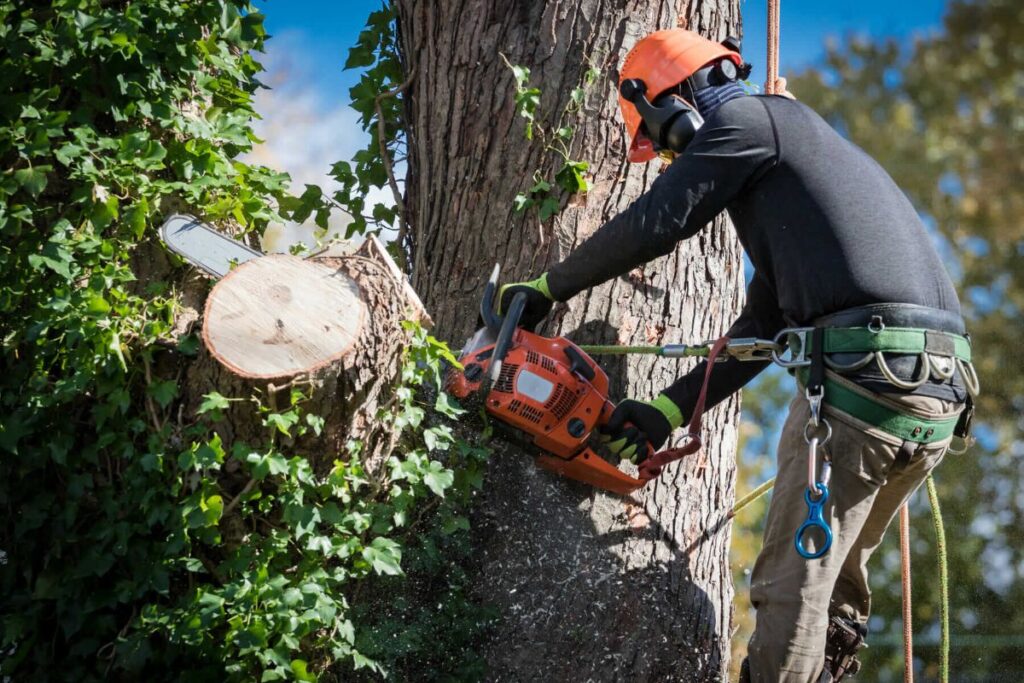
Essential Tree Removal Equipment Sydney Professionals Use
1. Climbing and Rigging Gear
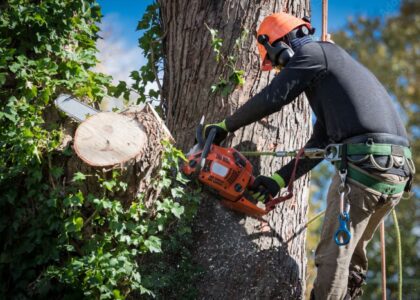
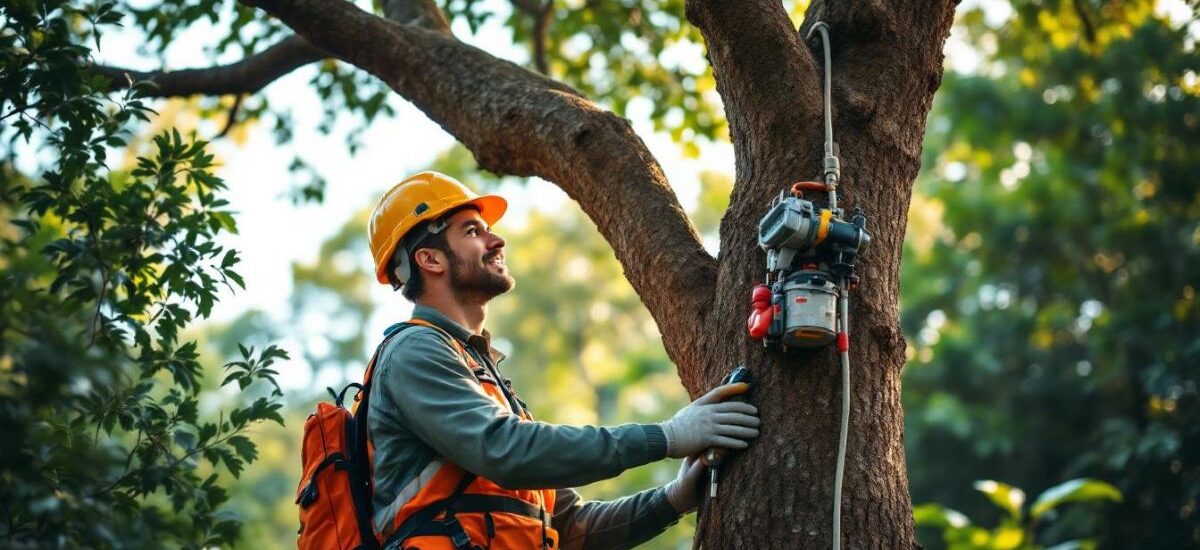
Arborists use professional-grade climbing equipment including harnesses, ropes, carabiners, and ascenders to access trees safely. Modern synthetic ropes offer superior strength-to-weight ratios compared to traditional options, allowing for more precise control during dismantling operations. Pulleys and slings work in conjunction with these ropes to lower heavy sections of trunk or branches in a controlled manner.
2. Cutting Tools
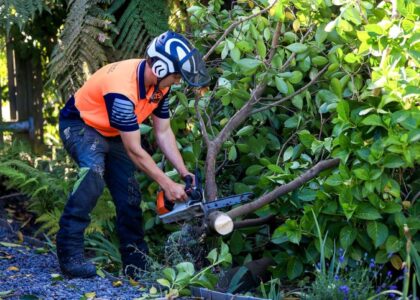
Chainsaws remain the primary cutting tool for tree removal work, with professionals typically carrying multiple saws of varying sizes. Smaller chainsaws handle branch work and precision cuts, while larger models tackle substantial trunk sections. Battery-powered chainsaws have gained popularity for their reduced noise levels and zero emissions, making them ideal for residential areas. Hand saws and pole saws complement chainsaw work for smaller branches and hard-to-reach areas.
3. Heavy Machinery
Cranes become necessary when removing large trees near buildings or in confined spaces where traditional dismantling poses risks. These machines lift entire sections of tree away from structures, eliminating the danger of falling debris. Stump grinders handle the final stage of tree removal, grinding stumps below ground level using rotating cutting wheels with carbide teeth. Wood chippers process branches and smaller material into mulch, reducing waste volume and providing usable byproduct.
Advanced Rigging Techniques for Maximum Safety
Rigging techniques form the backbone of safe tree removal operations. These methods allow arborists to control exactly where and how tree sections fall, protecting both workers and property.
1. Negative Rigging
This technique involves attaching ropes above the cut point and using friction devices to lower sections slowly. Negative rigging prevents pieces from swinging toward structures or falling uncontrolled. The method requires precise calculation of weight, rope strength, and anchor point capacity.
2. Speed Lining
When space permits, speed lining allows cut sections to swing away from
How Do Tree Removal Companies Comply with Sydney Regulations?
Tree removal in Sydney involves dealing with a complex set of local council rules and environmental standards. Most councils require residents to obtain tree removal permits Sydney before cutting down protected trees, and the specific requirements can vary widely between different local government areas.
Which Trees Require Permits in Sydney?
Whether or not a tree needs a permit for removal depends on three main factors: its species, size, and location. Generally, heritage-listed trees, native species, and trees that exceed certain height or trunk diameter measurements will require approval before they can be removed. Each Sydney council has its own Development Control Plan (DCP) that outlines the specifications for protected trees—some councils may protect trees that are over 5 meters tall, while others may have different height or trunk circumference thresholds.
Protected species often include significant native trees such as eucalyptus, angophora, and turpentine, regardless of their size. Trees that are located within heritage conservation areas will face stricter scrutiny and will require detailed justification for their removal. Property owners who remove protected trees without authorization may face substantial fines, with penalties reaching tens of thousands of dollars.
How Do Professional Services Navigate the Approval Process?
Reputable tree removal companies take care of the entire permit application process on behalf of property owners. This service begins with a qualified arborist conducting a thorough site assessment to determine whether the tree is protected by the council and if the reasons for its removal meet regulatory criteria.
The arborist prepares a comprehensive report documenting:
- Tree species identification and health assessment
- Structural integrity evaluation
- Risk factors to property or public safety
- Photographic evidence
- Recommendations for removal or alternative solutions
- Proposed replacement planting where required
Professional services submit applications directly to the relevant local council, including all supporting documentation and technical reports. Processing times can vary between councils, typically ranging from 21 to 60 days depending on how complex the application is and how busy the council is.
What Environmental Standards Must Companies Follow?
Environmental standards go beyond just obtaining permits. Tree removal companies also need to show that they are following protection measures for nearby vegetation, considering wildlife habitats, and implementing erosion control protocols. If work is being done near waterways or environmentally sensitive areas, additional regulations under state environmental legislation come into play.
Licensed arborists are familiar with these various obligations and adopt work practices that minimize harm to the environment. This includes scheduling work outside of bird nesting seasons whenever possible and taking steps to protect the root zones of adjacent trees.
What Services Are Typically Offered by Tree Removal Companies in Sydney?
Professional tree removal companies in Sydney provide comprehensive solutions beyond simple tree cutting. These services address various property maintenance needs, from emergency removals to aesthetic improvements and site preparation.
1. Complete Tree Removal
Full tree removal involves dismantling and extracting trees of any size from your property. Arborists assess each tree’s structure, surrounding environment, and potential hazards before developing a removal strategy. Small trees may be felled in one piece, while larger specimens require sectional dismantling using advanced rigging techniques. The process includes cutting the tree into manageable sections, lowering them safely to the ground, and removing all debris from the site.
2. Tree Pruning Sydney
Tree pruning Sydney services focus on maintaining tree health and structural integrity through selective branch removal. Qualified arborists remove dead, diseased, or damaged branches that pose safety risks or compromise the tree’s vitality. Pruning also improves air circulation through the canopy, reduces weight on heavy limbs, and shapes trees for better aesthetics. Different pruning methods address specific needs—formative pruning guides young tree growth, while maintenance pruning keeps mature trees healthy.
3. Crown Reduction Techniques
Crown reduction decreases a tree’s overall size while preserving its natural shape and character. Arborists carefully remove branch tips and lateral branches to reduce height and spread. This service benefits trees that have outgrown their space, threaten power lines, or create excessive shade. The technique requires precise cuts at appropriate branch junctions to avoid damaging the tree’s structure or creating entry points for disease.
4. Stump Grinding Services
Stump grinding services eliminate tree stumps by mechanically grinding them below ground level. Professional-grade stump grinders use rotating cutting discs to chip away the stump and major root systems, typically 150-300mm below the surface. This process removes tripping hazards, prevents pest infestations, and frees up space for replanting or landscaping. The resulting wood chips can be used as mulch or removed from the property based on your preference.
5. Land Clearing Sydney
Land clearing Sydney services prepare properties for construction, development, or landscaping projects. This comprehensive service involves removing multiple trees, shrubs, undergrowth
What Factors Influence the Cost of Tree Removal in Sydney?
Tree removal costs in Sydney vary significantly based on multiple interconnected variables that professionals assess during initial consultations. Understanding these pricing factors helps property owners budget appropriately and recognize why quotes differ between jobs.
1. Tree Size and Height
The physical dimensions of the tree represent the primary cost determinant. Small trees under 5 meters typically cost between $250-$700 to remove, while medium trees ranging from 5-15 meters may run $700-$1,500. Large trees exceeding 15 meters often require quotes starting from $1,500 and can reach $5,000 or more depending on complexity. Taller trees demand more time, specialized equipment, and increased safety measures, directly impacting labor costs.
2. Species and Wood Density
Different tree species present varying levels of difficulty during removal. Hardwood species like eucalyptus or ironbark require more powerful equipment and sharper chainsaw blades due to their dense timber, increasing both time and equipment wear costs. Softwood species generally process faster, reducing overall pricing. Species with extensive root systems also affect stump grinding costs, as denser roots require additional grinding time.
3. Location and Accessibility
Site access dramatically influences tree removal cost factors Sydney. Trees positioned in easily accessible front yards with clear pathways for equipment typically cost less than those in confined backyards requiring manual hauling of equipment. Properties with narrow side gates, steep slopes, or limited vehicle access increase labor intensity and time requirements. Restricted access may necessitate smaller equipment or manual rigging techniques, extending project duration and associated costs.
4. Proximity to Structures and Utilities
Trees growing near buildings, fences, pools, or power lines require meticulous dismantling techniques to prevent property damage. Arborists must carefully lower each section using advanced rigging systems rather than simply felling the tree, which substantially increases labor time. Work near live power lines may require utility company coordination or specialized insulated equipment, adding complexity and expense to the job.
5. Tree Condition and Health
Dead, diseased, or structurally compromised trees often cost more to remove despite potentially being smaller. Unstable trees pose heightened safety risks, requiring additional precautions and specialized techniques to prevent unpredictable failures during removal.
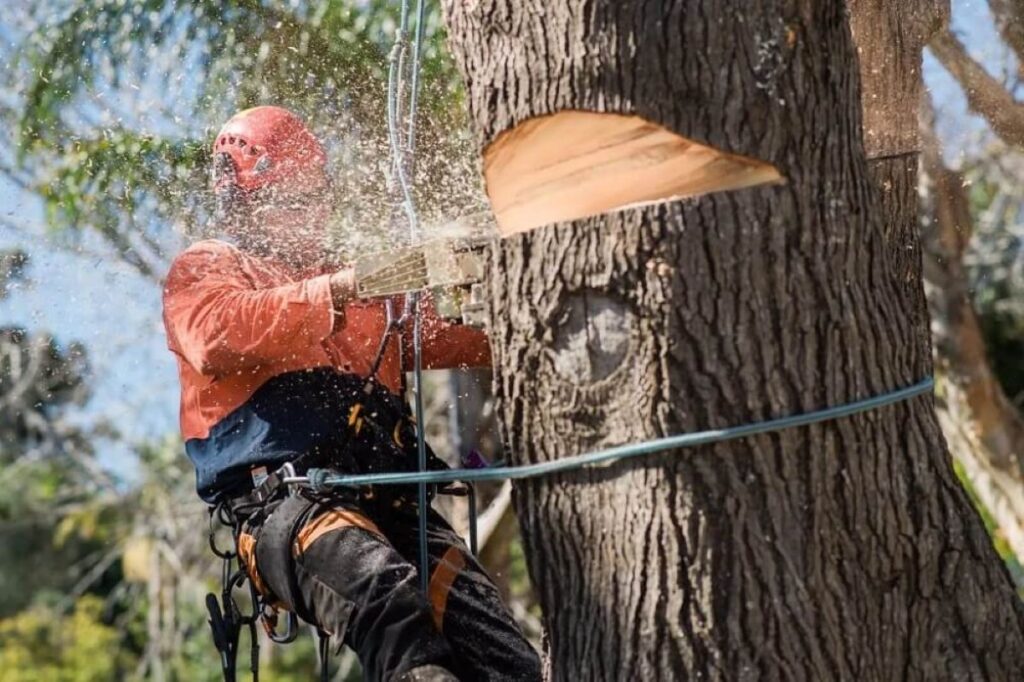
How Do Professionals Ensure Safety During Tree Removal?
Professionals prioritize safety through comprehensive risk assessments conducted before any cutting begins. Licensed arborists examine the tree’s structural integrity, lean direction, decay patterns, proximity to power lines, and potential hazards like dead branches or weak attachment points that could fail unexpectedly during removal.
Pre-Work Site Evaluation
Safe tree removal practices begin with establishing clear work zones and exclusion perimeters. Arborists identify escape routes for climbers, assess ground conditions for stability, and determine whether nearby structures, vehicles, or landscaping features require protective barriers. Weather conditions including wind speed and rain forecasts are evaluated to postpone work when conditions compromise safety.
Risk Mitigation Strategies
Licensed arborists safety measures include:
- Installing rigging systems to control the descent of heavy branches and trunk sections
- Using directional felling techniques to guide tree fall away from structures
- Implementing traffic management plans when working near roads
- Coordinating with utility companies to de-energize or protect power lines
- Positioning ground crew members outside the drop zone during cutting operations. Check out more about dogging and rigging.
Personal Protective Equipment Requirements
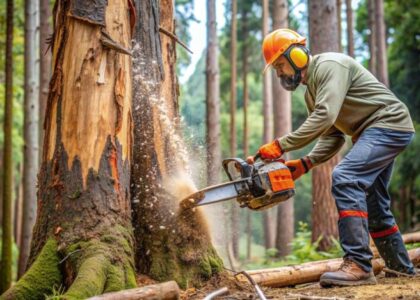
Every team member wears mandatory safety gear including hard hats with face shields, chainsaw-resistant chaps, steel-capped boots, gloves, and high-visibility clothing. Climbers use specialized harnesses, lanyards, and climbing ropes rated for their body weight plus equipment. Eye and hearing protection shield workers from sawdust and chainsaw noise exceeding 85 decibels.
Communication Protocols
Clear hand signals and radio communication systems keep ground crew and climbers coordinated throughout the removal process. Before each cut, arborists announce their intentions and verify all personnel are positioned safely. This constant communication prevents misunderstandings that could lead to injuries from falling debris or equipment malfunctions.
Emergency Preparedness
Professional teams maintain first aid kits on-site and designate trained first responders within the crew. Emergency contact numbers for local hospitals and emergency services remain readily accessible. Arborists carry rescue equipment including additional ropes and pulleys to extract injured climbers from trees if accidents occur.
Equipment Maintenance Standards
Chainsaws undergo daily inspections for chain tension, bar oil levels, and safety brake functionality
Conclusion
What makes tree removal in Sydney both safe and efficient? The answer lies in partnering with qualified professionals who bring together the right combination of expertise, equipment, and compliance knowledge. This guide has outlined the essential elements that separate professional tree work from risky amateur attempts.
Qualified arborists with Certificate 3 in Arboriculture or higher possess the technical skills needed for complex removals. Their training in climbing, rigging, and risk assessment directly translates to safer outcomes for your property. When combined with comprehensive insurance coverage—including $20 million public liability protection—you gain financial security against unexpected incidents.
The specialized equipment and advanced techniques used by professional services ensure trees are dismantled systematically without damaging surrounding structures. From rope systems and cranes to stump grinders, these tools require expert operation. Professional teams also navigate Sydney’s permit requirements, handling council applications and ensuring full regulatory compliance.
Why take unnecessary risks with DIY tree removal? The potential for property damage, personal injury, and legal complications far outweighs any perceived cost savings. Licensed tree removal companies provide:
- Comprehensive risk assessments before starting work
- Proper safety protocols throughout the removal process
- Insurance protection for both workers and property owners
- Knowledge of local tree preservation orders and regulations
- Efficient completion with minimal disruption to your property
Choosing experienced professionals for your tree removal needs means investing in quality outcomes while protecting yourself from liability. Their expertise in handling various tree species, sizes, and challenging locations ensures the job is completed safely and efficiently. When you need tree removal services in Sydney, prioritize companies that demonstrate all the qualifications, insurance coverage, and regulatory knowledge discussed in this summary—your property and peace of mind depend on it.